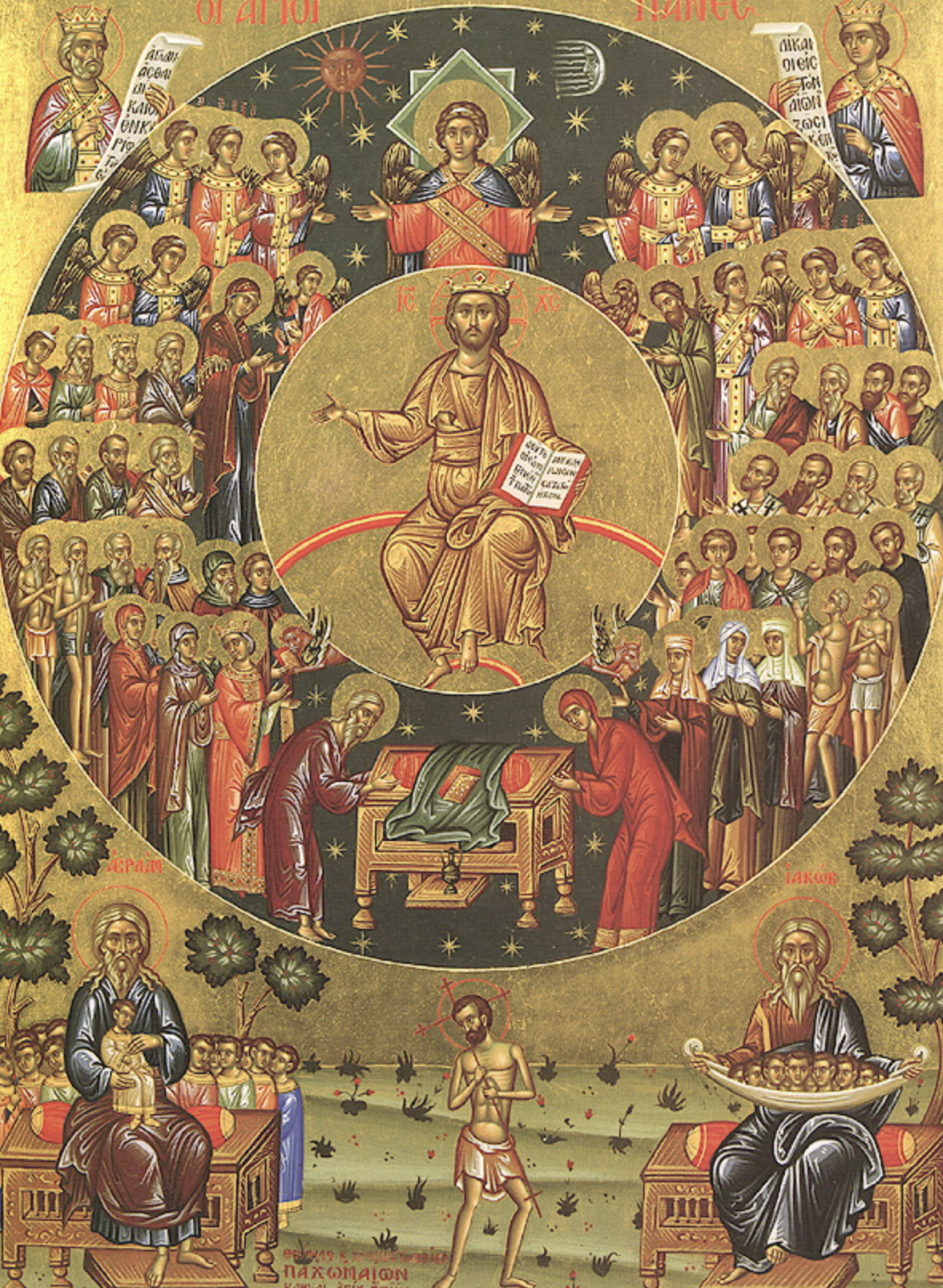
St. Mary Magdalene Equal to the Apostles: 

is a special reformed Catholic community in the Episcopal Diocese of Colorado celebrating in Word and Sacraments God's love shown to all of us in Jesus Christ and committed to a generous Orthodoxy. When you feel lost, we can be your home.

Rev Fr Chrysostom Frank

"Love to the end and love without exception"

(St. Maria of Paris)

Welcome to St. Mary Magdalene Equal to the Apostles Episcopal Church!

Whether young or old, rich or poor, whatever your gender identity or sexual orientation, you are welcome here. Wherever you come from, whatever the color of your skin, your ethnic background or your cultural heritage you are welcome here. Whether you have never been in a church before, have recently left another church, or regularly attend church elsewhere, you are welcome here. Whoever you are, you are welcome here because Christ welcomes you and, therefore, so do we.

See Our Mission and Purpose

We have Moved!

First, many, many thanks to Kym our presiding bishop of the Episcopal Diocese of Colorado for receiving our community into the Anglican communion. Second, we deeply appreciate SS Peter and Mary Episcopal Church for graciously hosting and accommodating us these past two years. Equally, thank you St John Chrysostom Episcopal Church and Father Doug Bleyle for the hearty welcome to partner with them and for allowing us to have a dedicated space for the Eastern liturgy.


Liturgical Services

pascha/Easter

Sunday, May 3rd — 5th Sunday of Easter; Divine Liturgy and Agape meal.

Complete Order of Service

Scripture: 1 John 4:7-14, Acts 4:23-35, John 4:3-30, 39-42

Tone 4

Commemorating: The Samaritan Woman at the well: Troparion: The Samaritan Woman came to the well in faith; she saw You, the Water of wisdom and drank abundantly. She inherited the Kingdom on high, and is ever glorified! Midfeast: In the middle of the feast, O Savior, fill my thirsting soul with the waters of piety, as You cried to all: “If anyone thirst, let him come to Me and drink!” O Christ God, Fountain of our life, glory to You!  

Reflection Questions: Pick a couple of these to reflect on:

• How does the 1st reading from John’s 1st Epistle change the way we might think about God: “God is love”, (ὁ µὴ ἀγαπῶν οὐκ ἔγνω τὸν θεόν, ὅτι ὁ θεὸς ἀγάπη ἐστίν) not just that “God loves”?

• What do you make of the 2nd reading’s description of how the early Christian community operated? Why do you think it has so radically changed?

• What was the sign of being filled with the Holy Spirit in the 2nd reading?

• The Samaritan woman is the first outsider to whom Jesus explicitly reveals himself as Messiah and the first to bring a city to faith. How does this challenge traditional views on who is qualified to speak for God?

• "If you only knew the gift God has for you...". What are the "empty wells" in your life that you keep returning to, and what would it mean to drink from the "living water" Jesus offers? What does Jesus’ willingness to listen and engage with the woman at the well tell us about our own relationship with Jesus?

• When Jesus asks her to "call her husband," she replies, "I have no husband" (v. 17). How is this answer a "technical truth" that avoids admitting the full truth of her moral situation? Do you ever see the tendency to minimize, reframe, or hide sin in your own life when you feel shame or guilt?

Beginning in May, all services will be at our new location. St. John Chrysostom, 13151 W 28th ave, golden, co 80401

Sunday May 10th. Western Mass and Agape meal.  10:00 am (together with St. John Chrysostom congregation)

Sunday May 17th. Divine Liturgy and Agape meal.  11:45 am

Sunday May 24th. Western Mass and Agape meal.  10:00 am

Sunday, May 31th. Western Mass: 10:00 am (together with St. John Chrysostom congregation)


7 June: Divine Liturgy with Bishop Kym and the Reception of Alex Bronner: 11:45 am

holy week and Pascha Season 2026


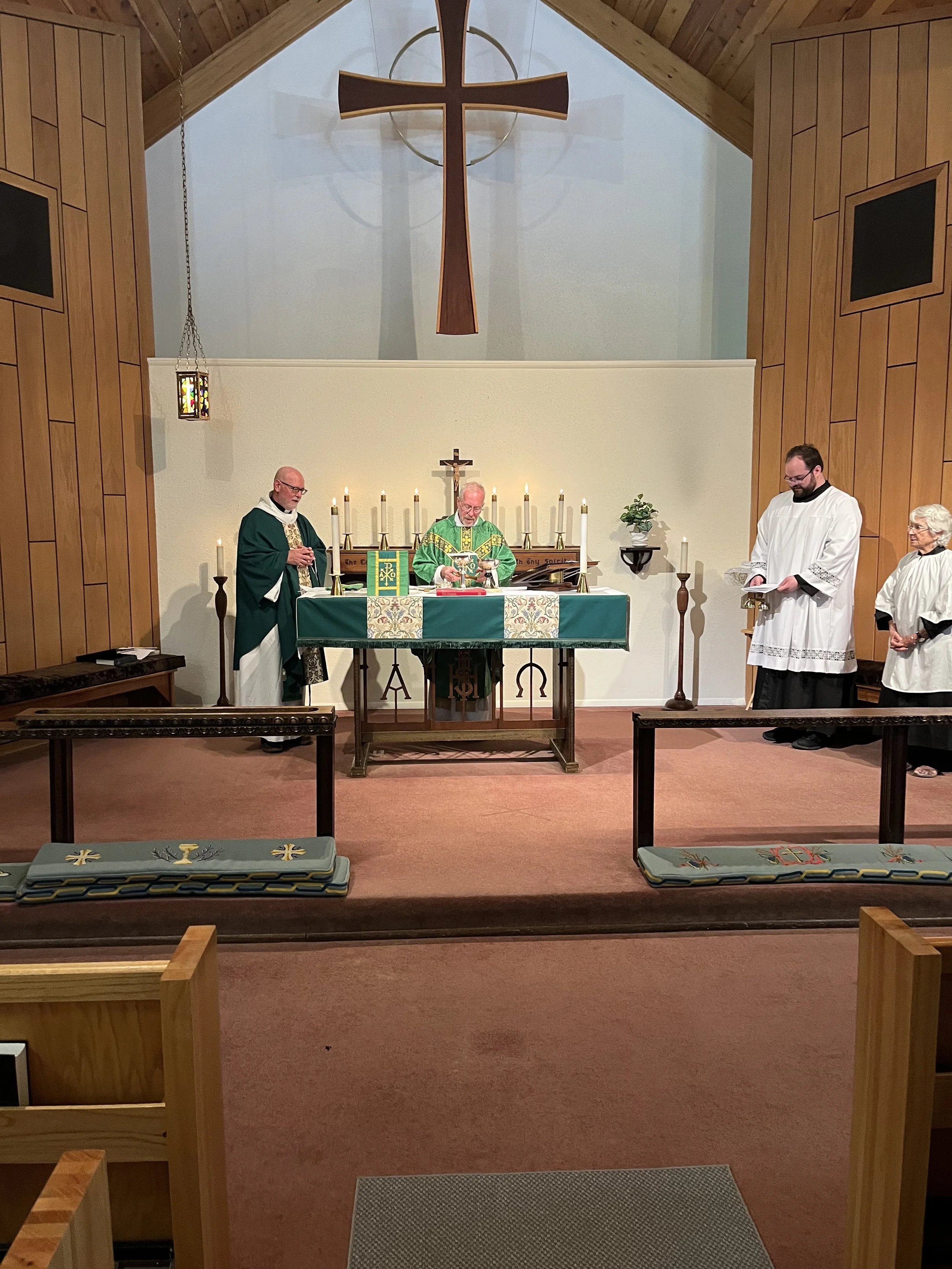
Western

The uniqueness of this congregation within the Episcopal Diocese of Colorado is its liturgical character. It is a bi-ritual community, using for its Western Rite the 1979 Book of Common Prayer.
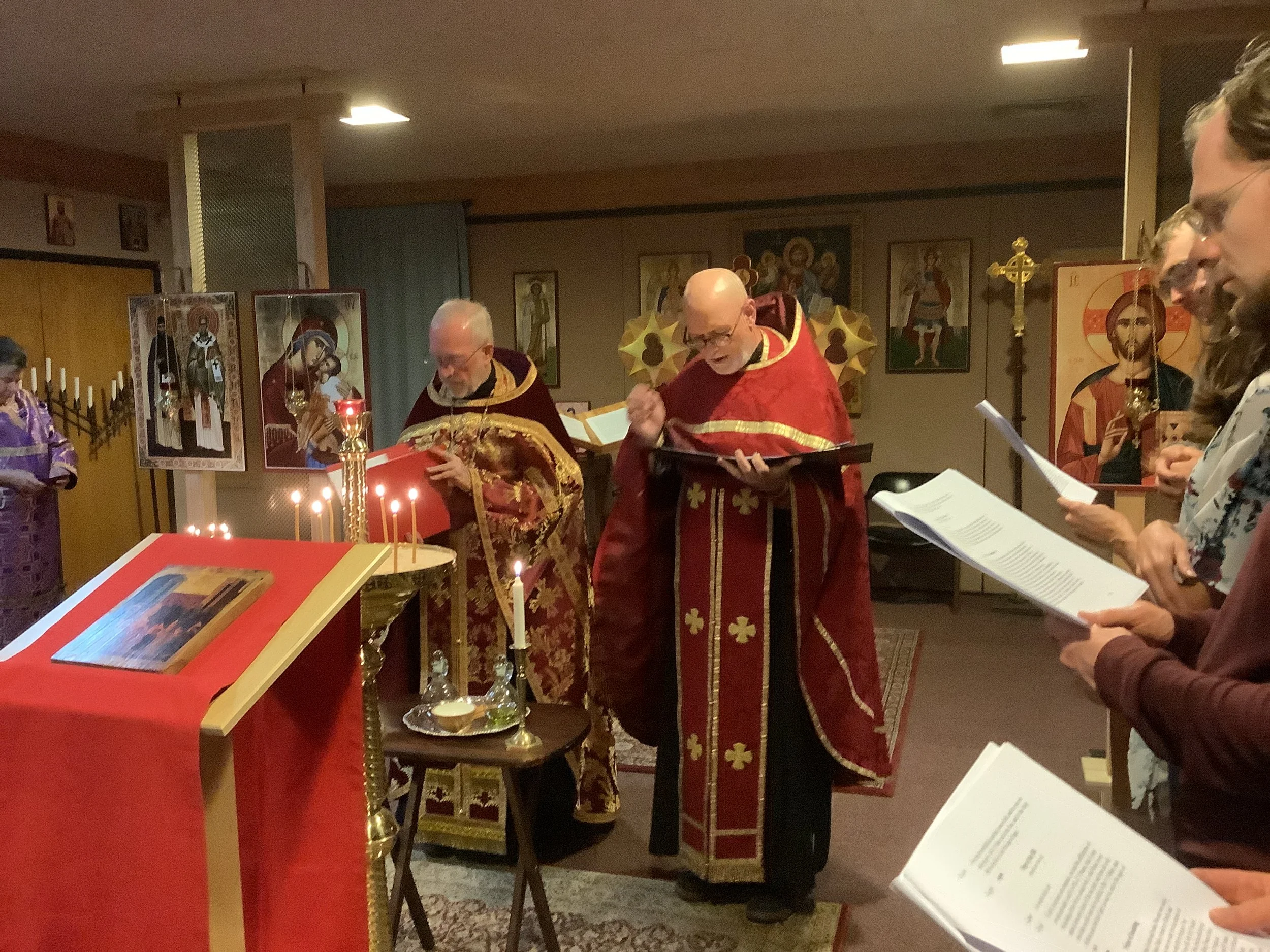
Eastern

And using for its Eastern Rite a revised version of the Byzantine liturgical books and calendar of New Skete Orthodox Monastery.